A. Staničić at the Financial Market Conference: Coordinated action by all capital market participants essential for its further development
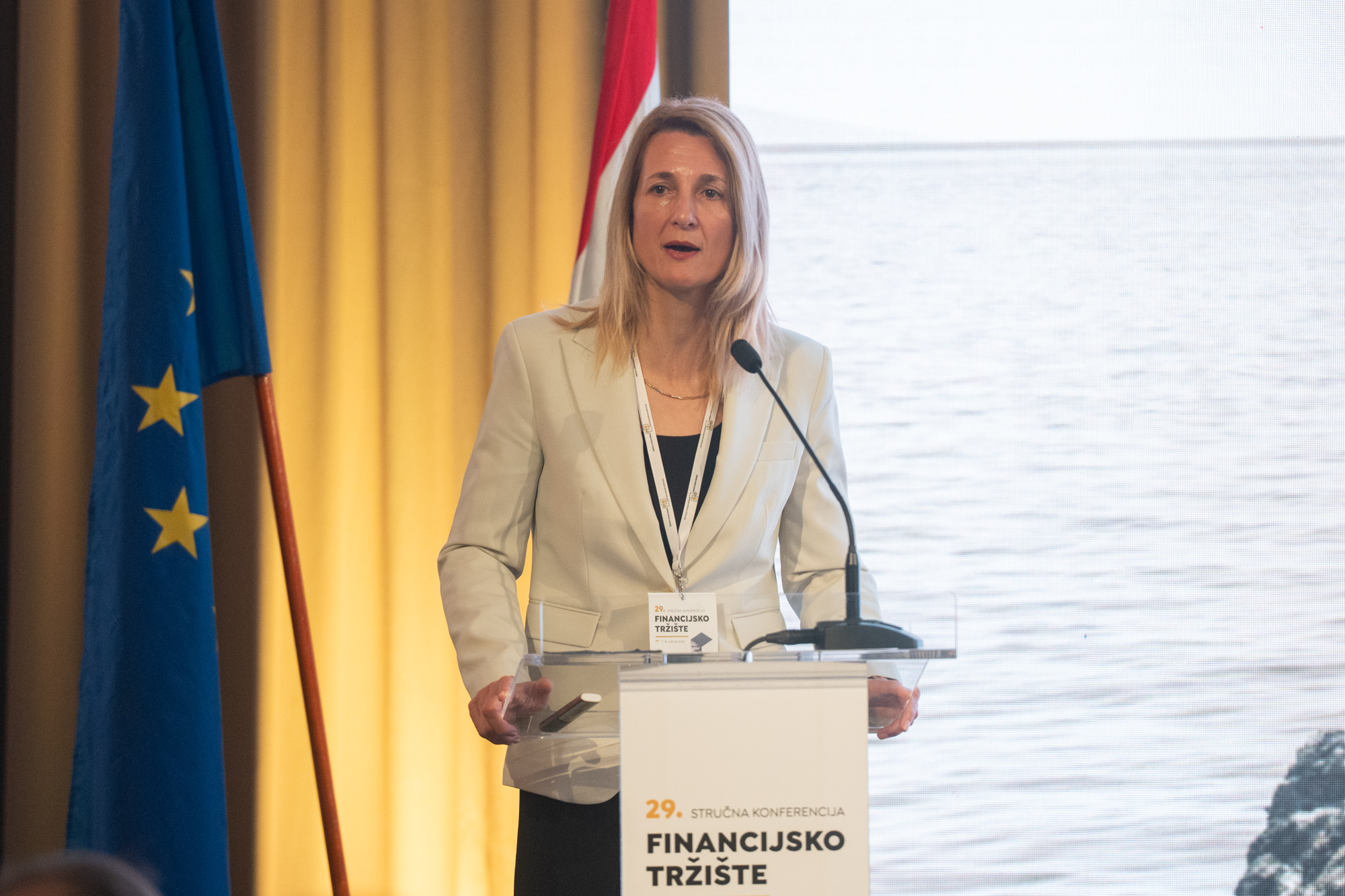
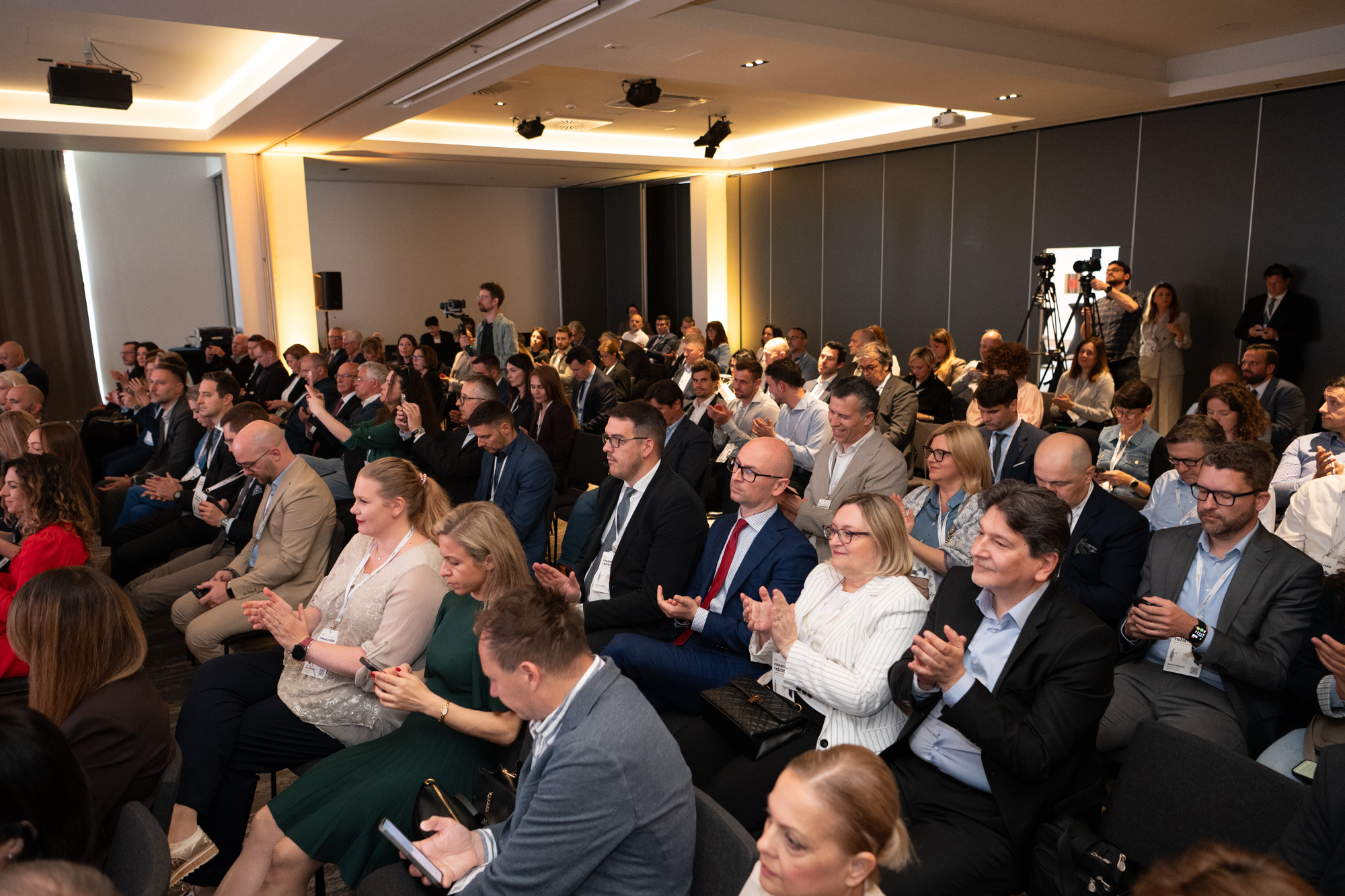
The 29th professional conference “Financial Market” was held in Opatija on 7 and 8 May 2026, organised by the Croatian Banking Association with programme support from the Croatian National Bank and the Croatian Financial Services Supervisory Agency (Hanfa). The conference brought together key representatives of the Croatian financial industry, who discussed the future of the Croatian banking system and capital market, as well as the country’s investment transformation. The second day of the conference was entirely dedicated to topics related to the further development of the domestic capital market.
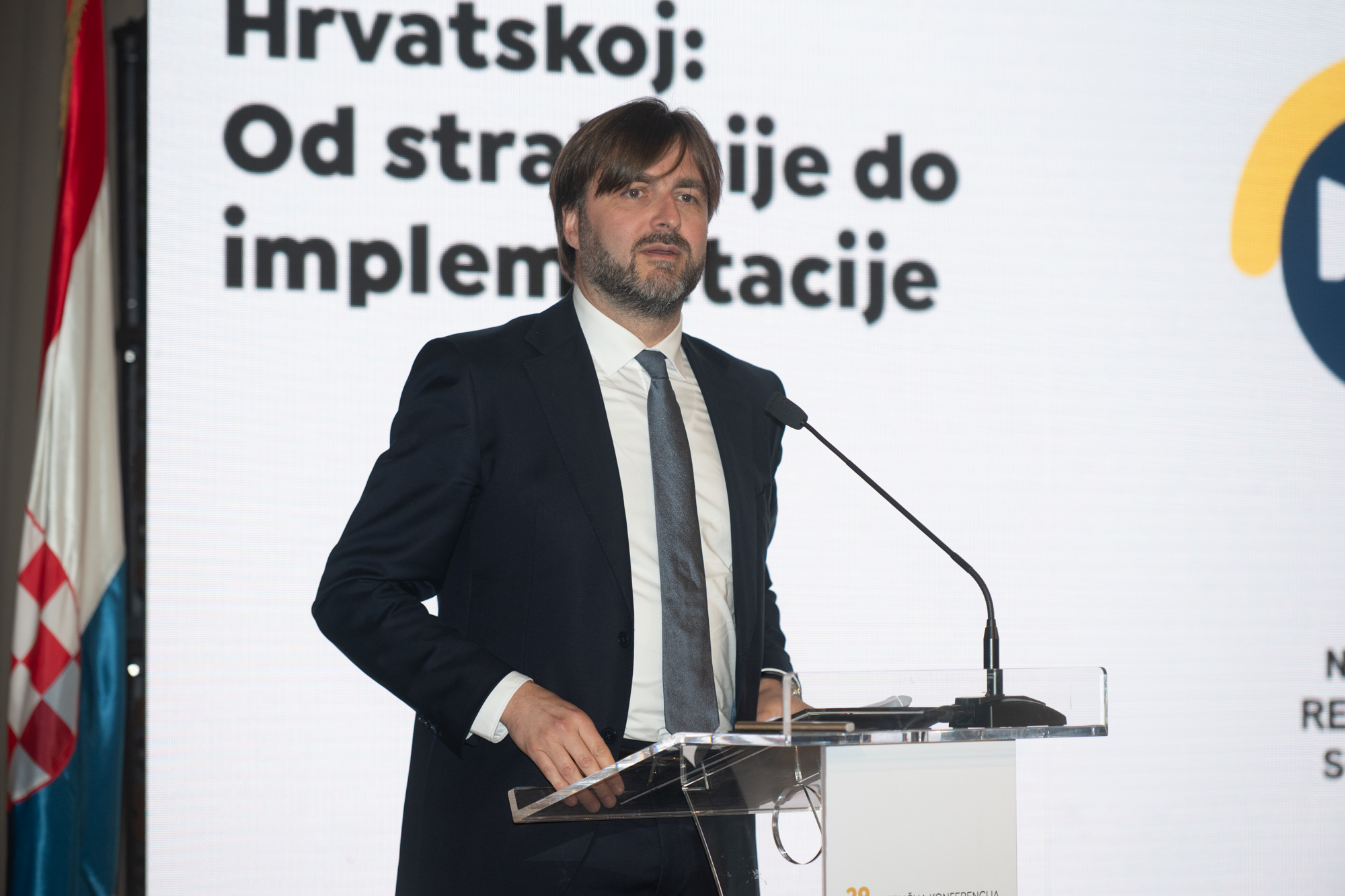
In his keynote address titled “The capital market in the Republic of Croatia: from strategy to implementation”, Deputy Prime Minister and Minister of Finance Tomislav Ćorić stated: “The Republic of Croatia has a clear strategy, defined priorities and concrete implementation steps that should contribute to the improvement of the capital market. However, I would like to emphasise that even the best strategy in the world is not sufficient in itself. What makes the difference is consistent and timely implementation.”
Minister Ćorić highlighted that the period ahead will test the country’s ability to translate adopted decisions into tangible results, both for entrepreneurs seeking financing sources and for citizens, whom the authorities aim to involve more actively in the capital market. “In this process, the Ministry of Finance remains a committed partner to all market participants, regulators, the business community, market infrastructure institutions such as the Zagreb Stock Exchange, the Central Depository and Clearing Company (SKDD), SKDD-CCP, as well as the academic community, because only through joint action can we achieve the ambition of attaining emerging market status and build a capital market that truly serves the Croatian economy and its citizens,” he added.
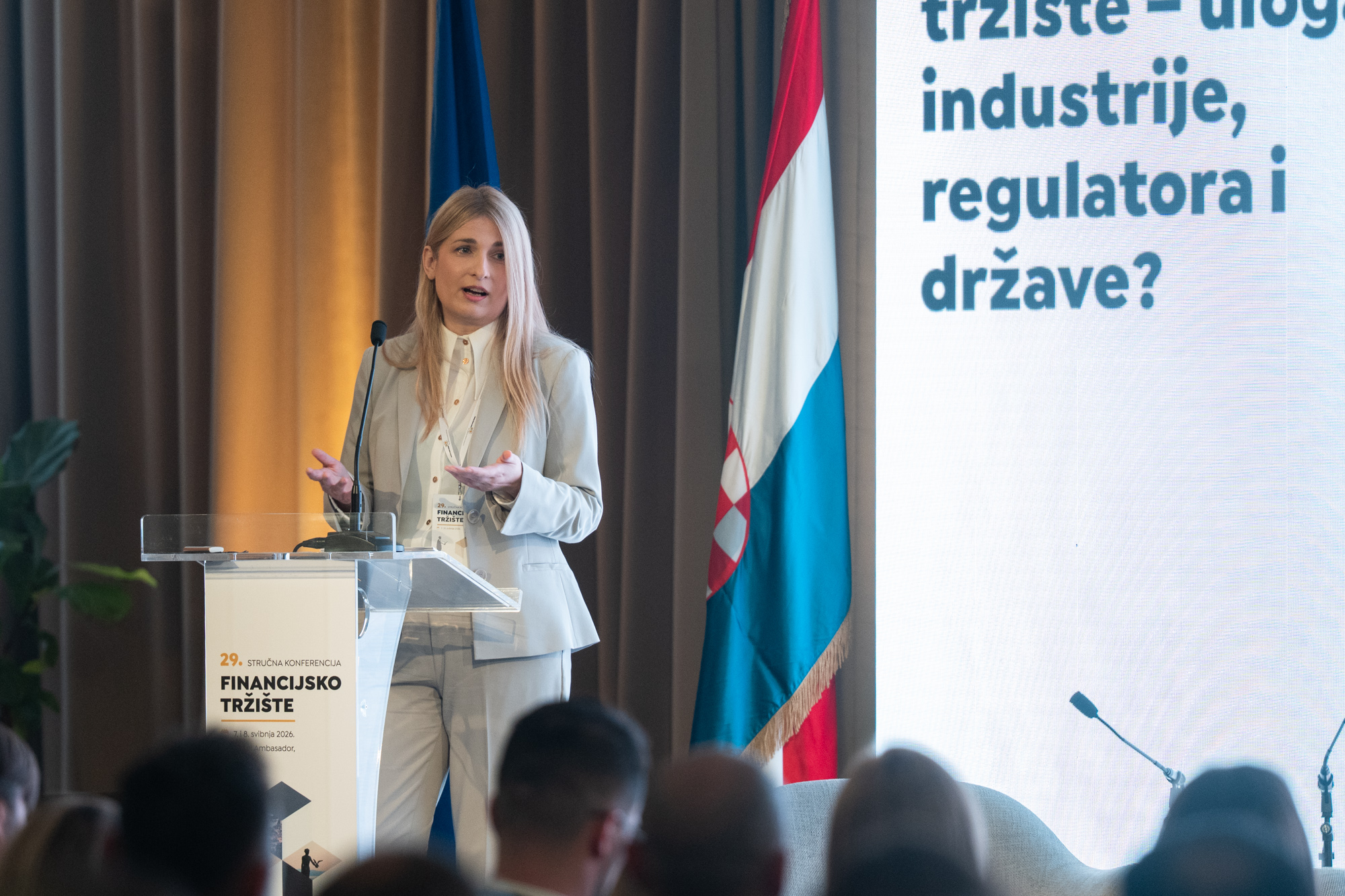
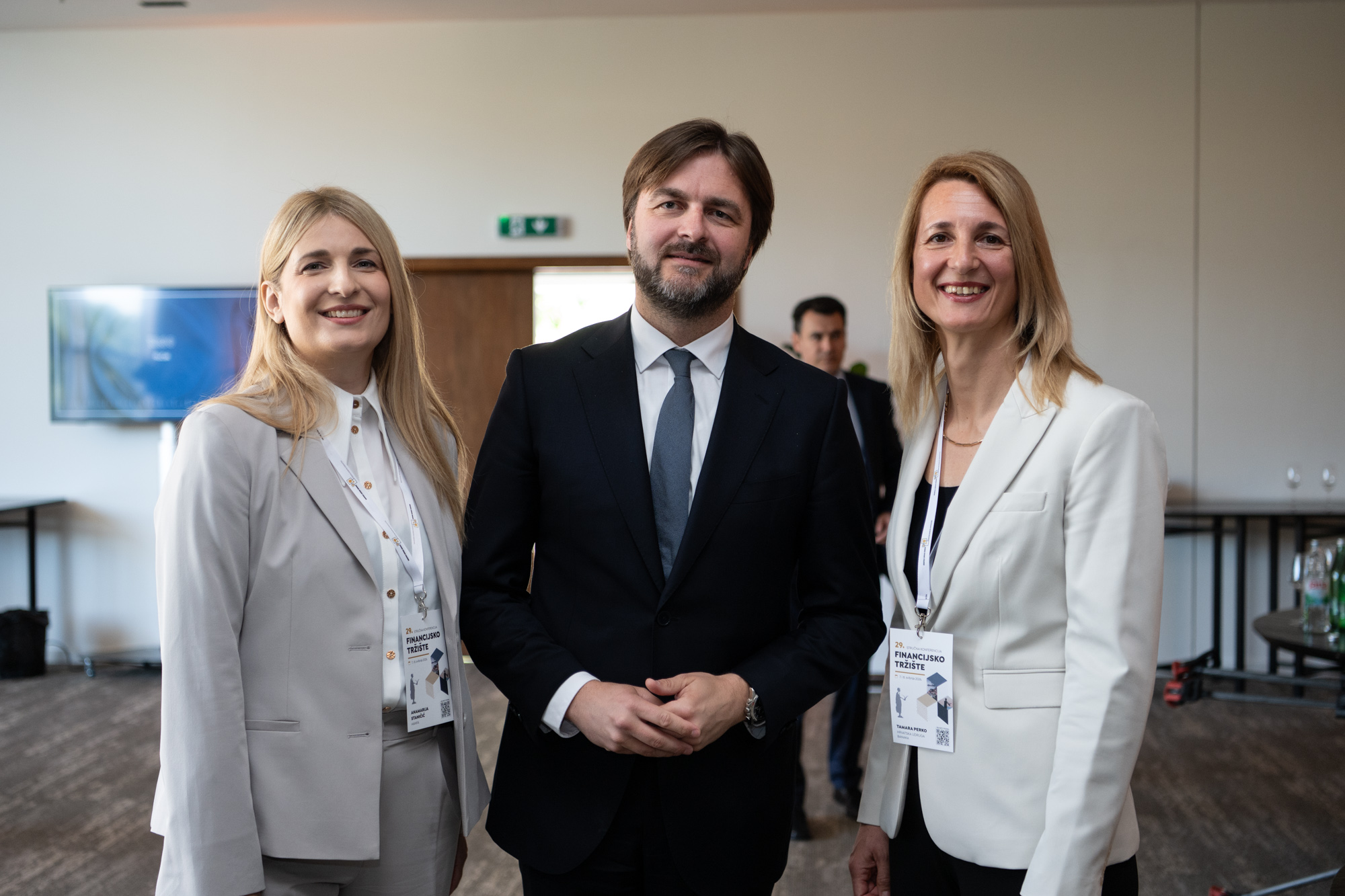
During a presentation entitled “Practical reforms for a competitive market – the role of industry, regulators and the state?”, Anamarija Staničić, Deputy President of Hanfa Board, emphasised that while a strategy is necessary and an action plan is required, it is operational implementation that ultimately determines whether the capital market becomes genuinely competitive or remains a collection of good ideas that are only partially realised or difficult to implement.
“This operational level is also the most demanding, as it does not depend on a single institution or a single decision. It depends on whether all key actors – the state, the regulator, market infrastructure, industry participants and issuers themselves – are aligned and moving in the same direction. It also depends on whether we have correctly identified the needs of entrepreneurs. Only when these elements are aligned in practice do things begin to function as intended,” Staničić concluded.
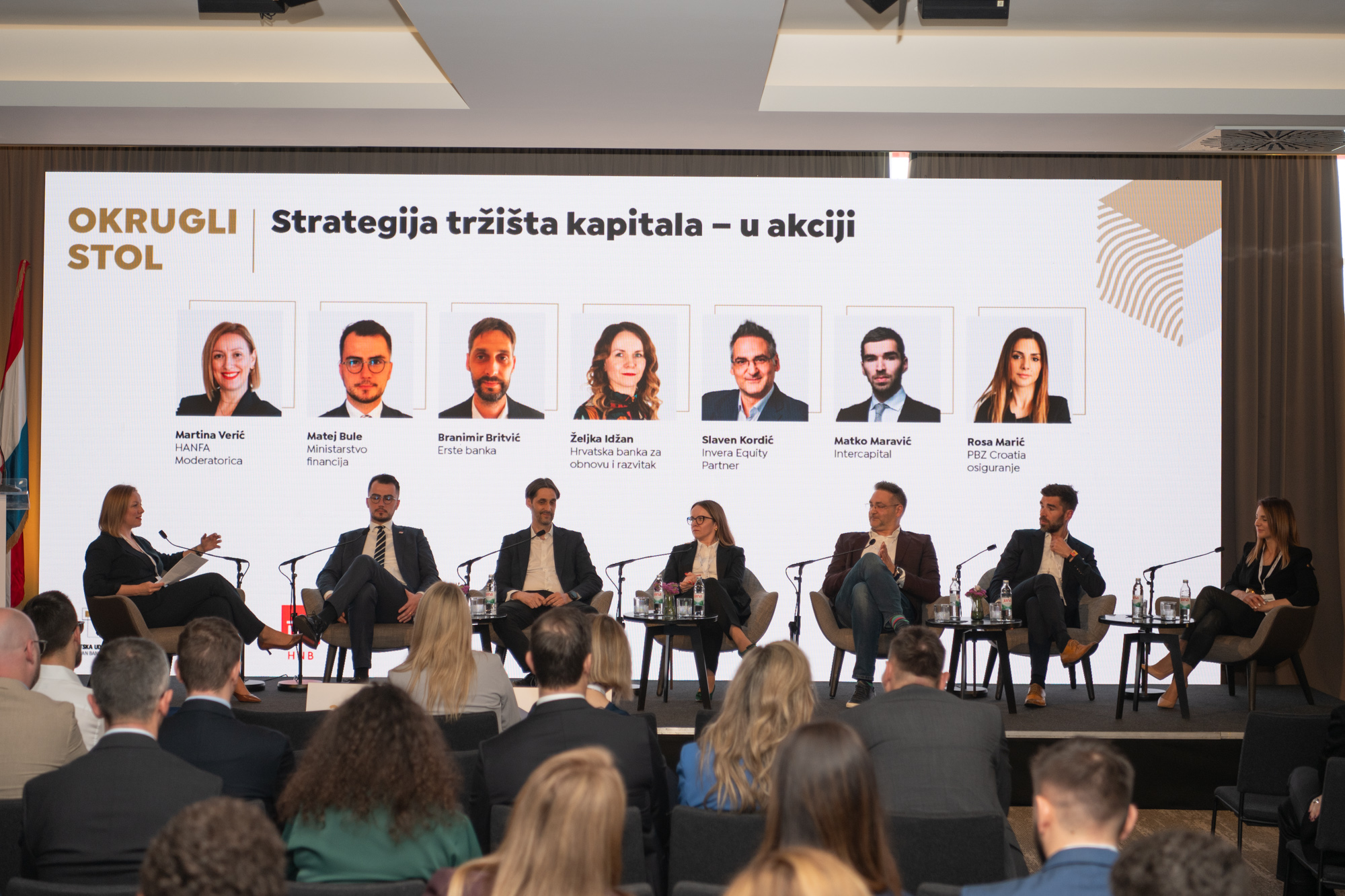
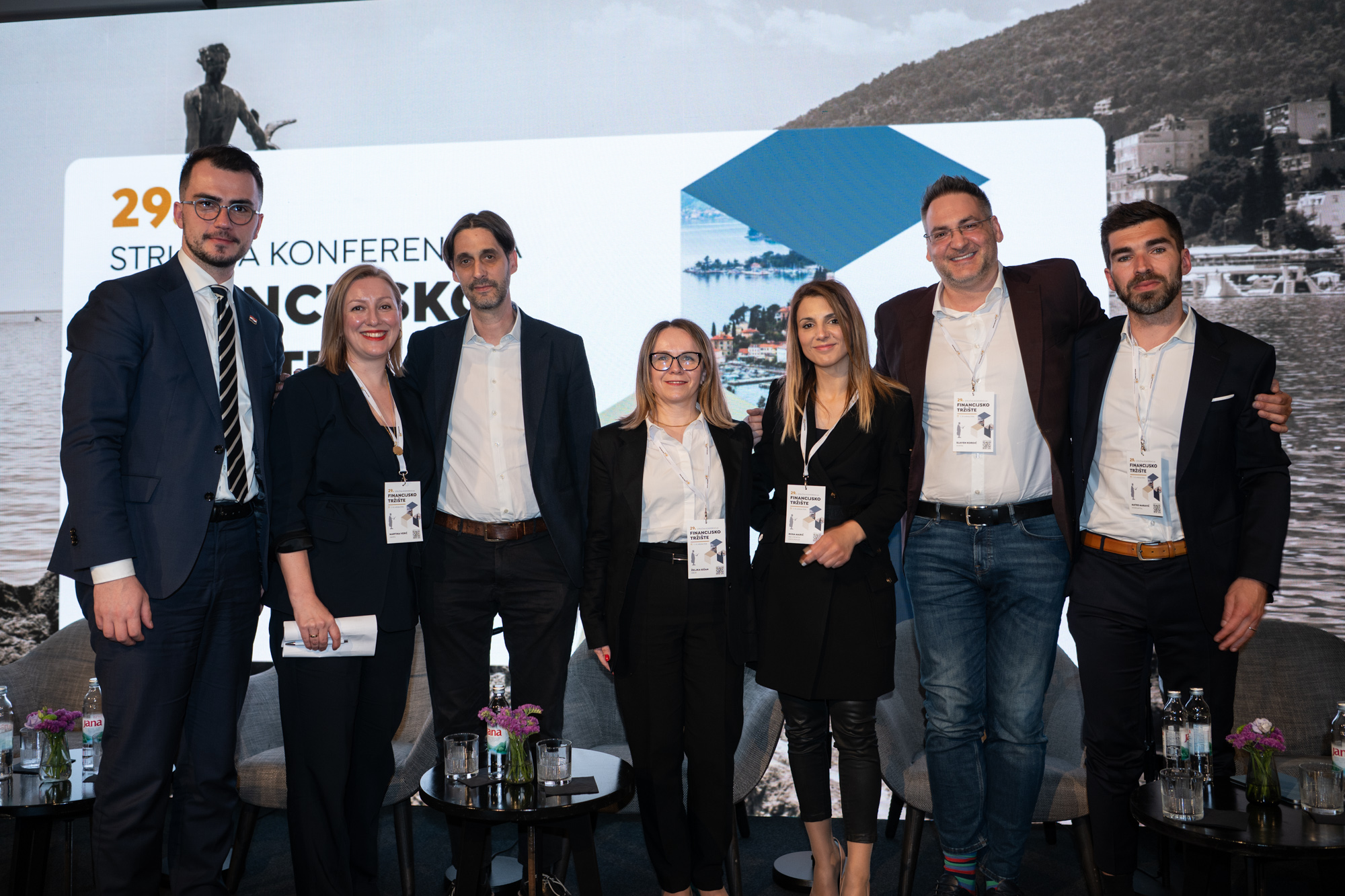
Following the opening speeches, the programme continued with a panel discussion titled “Capital market strategy in action”, which brought together experts from both the public and private sectors. The discussion was moderated by Martina Verić, Member of Hanfa Board, and featured Matej Bule, State Secretary at the Ministry of Finance; Branimir Britvić, Head of the Financial Services Division at Erste&Steiermärkische Bank; Željka Idžan, Head of Investment Development and Contracting at the Croatian Bank for Reconstruction and Development; Slaven Kordić, Managing Partner at Invera Equity Partners; Matko Maravić, CEO at InterCapital d.d.; and Rosa Marić, President of the Management Board of PBZ Croatia Insurance.
Panel participants reflected on the first year of implementation of the Ministry of Finance’s Strategic Framework for the period 2025–2030, discussing actual progress, open issues and the next steps in developing the domestic capital market. They agreed that the first year of the Strategy implementation brought significant progress, particularly through the launch of a number of initiatives, but also provided a more realistic picture of the challenges that emerge during the implementation phase. It was emphasised that the gap between planned measures and operational feasibility remains one of the key tests of the Strategy’s success.
“We have completed the first year and now need to continue on the same path,” said Bule. Maravić added that the direction and cooperation are excellent, but that results will not be immediate and patience is required.
In discussing responsibilities and progress, it was noted that, alongside regulatory improvements, structural constraints persist – from the complexity of administrative requirements to the imbalance between the supply of high-quality investment opportunities and market demand.
One of the central issues addressed by the panel was the liquidity of the domestic capital market and the underlying causes of its limited activity, as well as approaches to removing existing barriers to increased market activity. It was highlighted that capital market development provides companies with alternative financing channels beyond bank loans, raising questions about what this shift means for the banking sector – whether it requires adjustments to business models or creates new business opportunities.
“It would be beneficial to bring to the stock exchange companies from sectors that are currently not represented; it would be particularly positive to see fast-growing firms listed. I would like the next IPO to be large and significant. One major IPO will deliver more benefits to the market than several smaller ones. We need to have a major IPO within the next five years,” Maravić stressed. Kordić agreed, noting that a single IPO worth EUR 300 million would attract a significant number of investors.
“A major IPO within the next five years is essential. The sector is not the key issue; what matters is that the company has strong corporate governance and fosters a culture of transparency. Financial literacy must exist on both sides – among retail investors and companies,” Britvić added.
Particular attention was given to specific measures envisaged by the Strategy, including the introduction of investment accounts with favourable tax treatment, the development of the PutNaTržište regulatory sandbox, and the establishment of an IPO fund. These tools are expected to provide a stronger impetus for capital mobilisation and market development, although their actual impact will depend on the speed and quality of implementation.
The panellists also addressed exit strategies for venture capital and private equity funds, where the domestic market still plays a limited role. However, the development of the Zagreb Stock Exchange and the creation of a stable IPO pipeline were identified as key preconditions for long-term change in this area.
The discussion also highlighted the issue of skilled labour in the fund industry. As Marić noted, large global pension funds allocate approximately 10% of their assets to alternative asset classes.
“Across all domestic funds, this figure is around 2–3%, which indicates significant room for growth. For example, PBZ/CO fund has 3.5% of its assets invested through 35 investments. It is essential to retain a high-quality workforce capable of executing such investments. Our greatest challenge is attracting skilled professionals to perform these roles,” said Marić.
In their critical assessment of the first year of the Strategy implementation, the panellists also raised the issue of the timing of reforms relative to the economic cycle, underlining the importance of capitalising on the current positive market momentum.
Finally, the panel pointed to the significant potential of domestic savings, a large share of which remains in deposits. Mobilising these funds requires coordinated action by all stakeholders, i.e., regulators, the financial industry and the state, alongside improvements in financial literacy, the availability of investment products and public trust in the capital market. The panel concluded with a call for the implementation of concrete and measurable actions by the end of 2026, which will be crucial for the continued transformation and strengthening of the Croatian capital market.
PHOTO: David Kurti