Ante Žigman: The risk is no longer just financial, but increasingly operational and digital
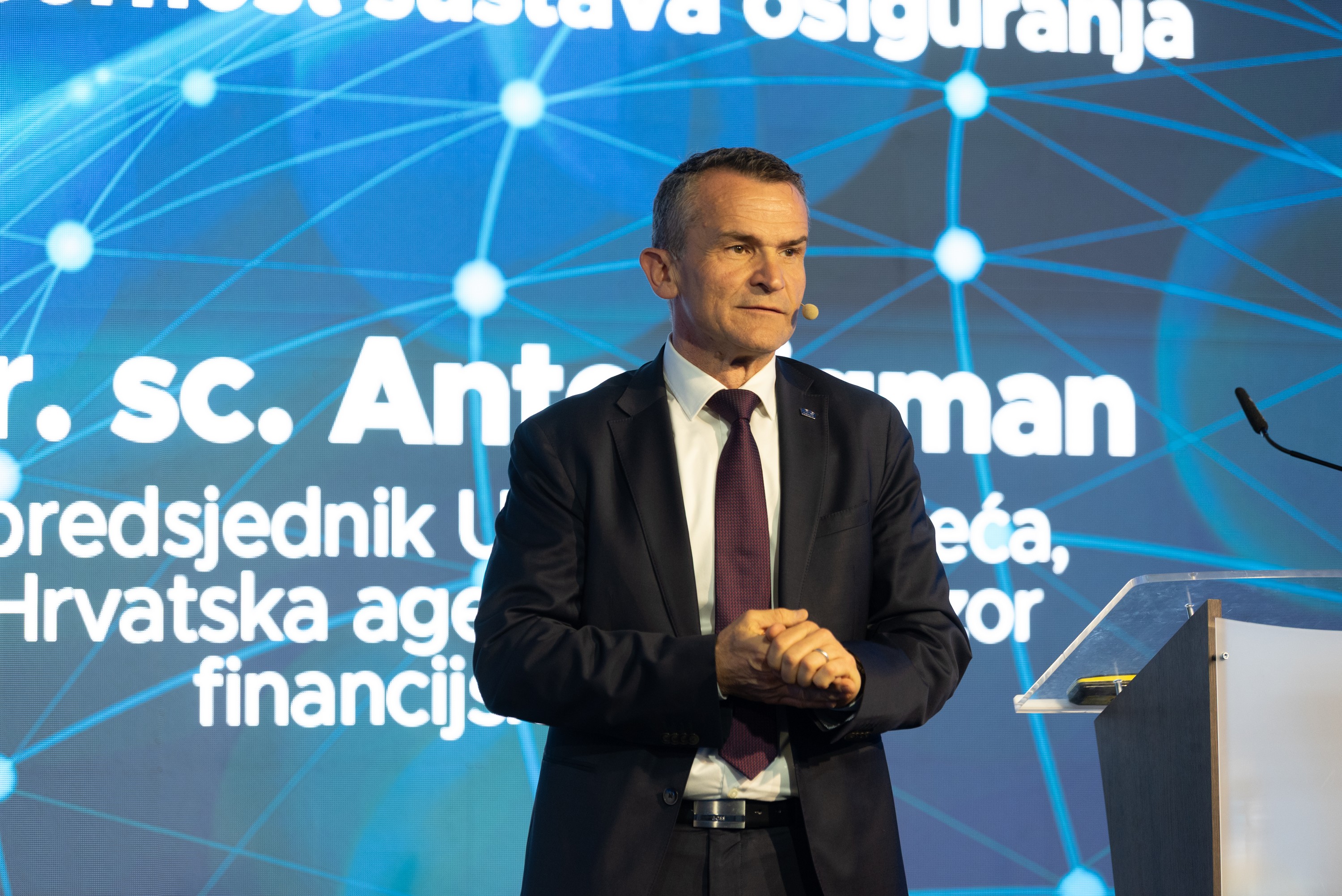
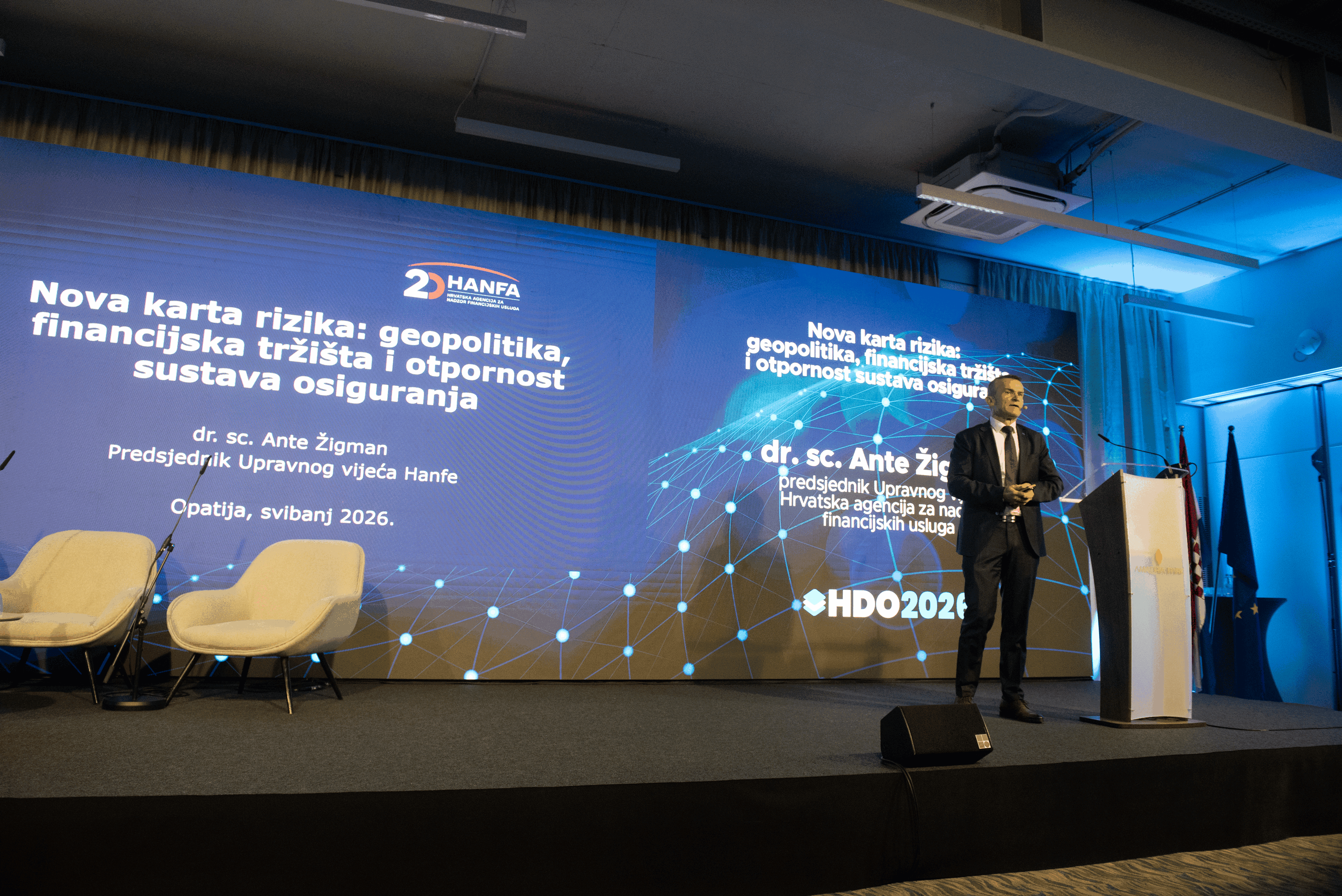
At this year’s conference “Croatian Insurance Days,” held on 14 and 15 May 2026 in Opatija, the President of the Hanfa Board, Ante Žigman, spoke about the new map of global risks faced by the insurance sector, as well as the economy as a whole.
“We live in an environment in which geopolitical and market shocks have become commonplace, and their effects are increasingly spilling over into energy prices, financial markets, inflation, and the real economy, including into insurers’ balance sheets. The Croatian insurance market, with around EUR 2.1 billion in premiums, is structurally stable and relatively predictable, with a dominant share of non-life insurance, primarily motor insurance. In such circumstances, the current geopolitical risks affect insurers primarily through inflation, rising energy prices, and financial market volatility, which in the short term puts pressure on the value of investments and the capital position,” Žigman explained.
The conference offered more details on the challenges faced by the insurance sector, ranging from rising claims costs, inflation, and the Iranian crisis to accelerated digitalisation and the challenges it poses.
“The key shift in risk is more pronounced: the risk is no longer purely financial, but increasingly operational and digital. Cyberattacks are becoming a new channel for geopolitical conflicts, meaning that stability today implies not only adequate capital, but also genuine operational and digital resilience, including ICT risk management, third-party oversight, and preparedness for crisis scenarios. The financial sector is increasingly targeted as it is crucial to the functioning of any society. As the nature of risk changes, so does the role of insurance: from protection against traditional losses to managing complex and increasingly unpredictable risks. In a world of constant shocks, those who understand, anticipate, and respond to them in a timely manner are the ones who survive,” Žigman concluded.
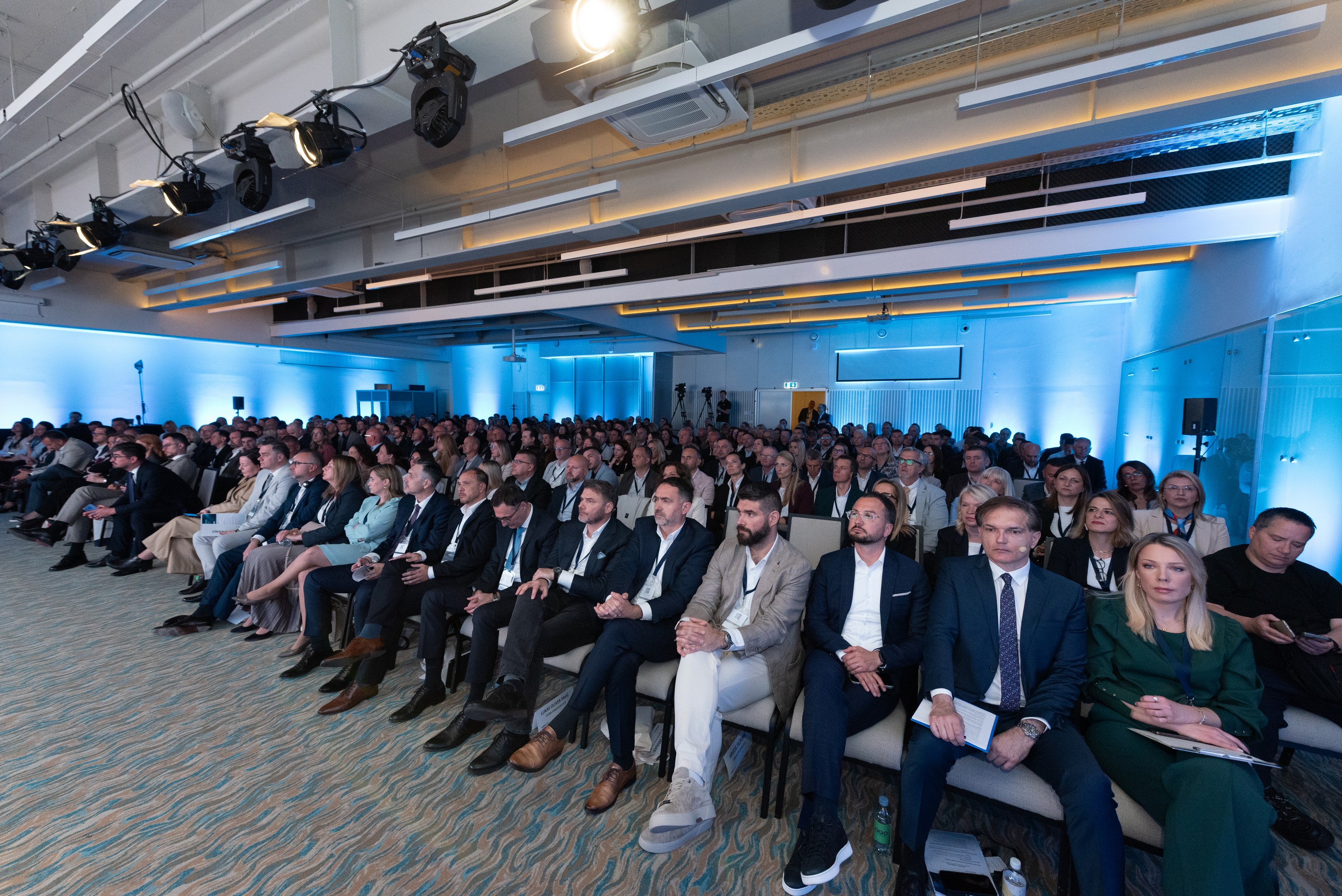
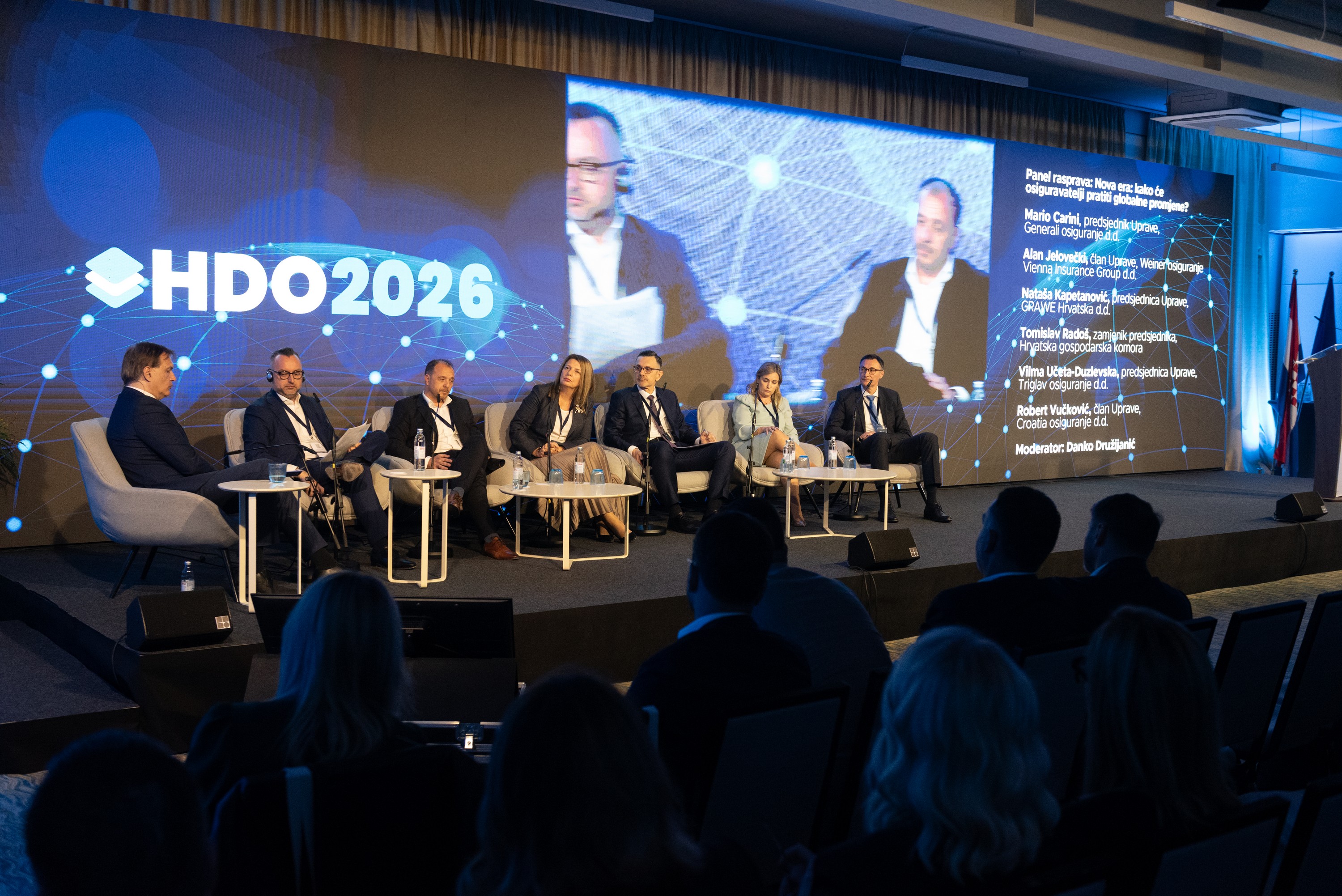
Discussions on the first day of the conference clearly showed that the insurance sector is entering a new phase of development, marked by accelerated digitalisation, regulatory challenges, and growing customer expectations. It will, therefore, be crucial to strike a balance between a stable and predictable regulatory framework and the need for business agility and innovation, as conventional models are no longer sufficient to address the complexity of modern risks. It is for these reasons that the industry is increasingly turning to predictive and proactive risk management, digitalisation of products and processes, and personalised solutions tailored to new customer needs.
The Croatian Insurance Days once again brought together a large number of experts discussing current trends and challenges in the insurance market. The topics included the impact of inflation on policyholder behaviour, AI strategies in business digitalisation and loss assessment, and the use of AI assistants in day-to-day work. The participants also discussed adequacy of the pension system in the context of insurance, as well as new types of risks and claims.
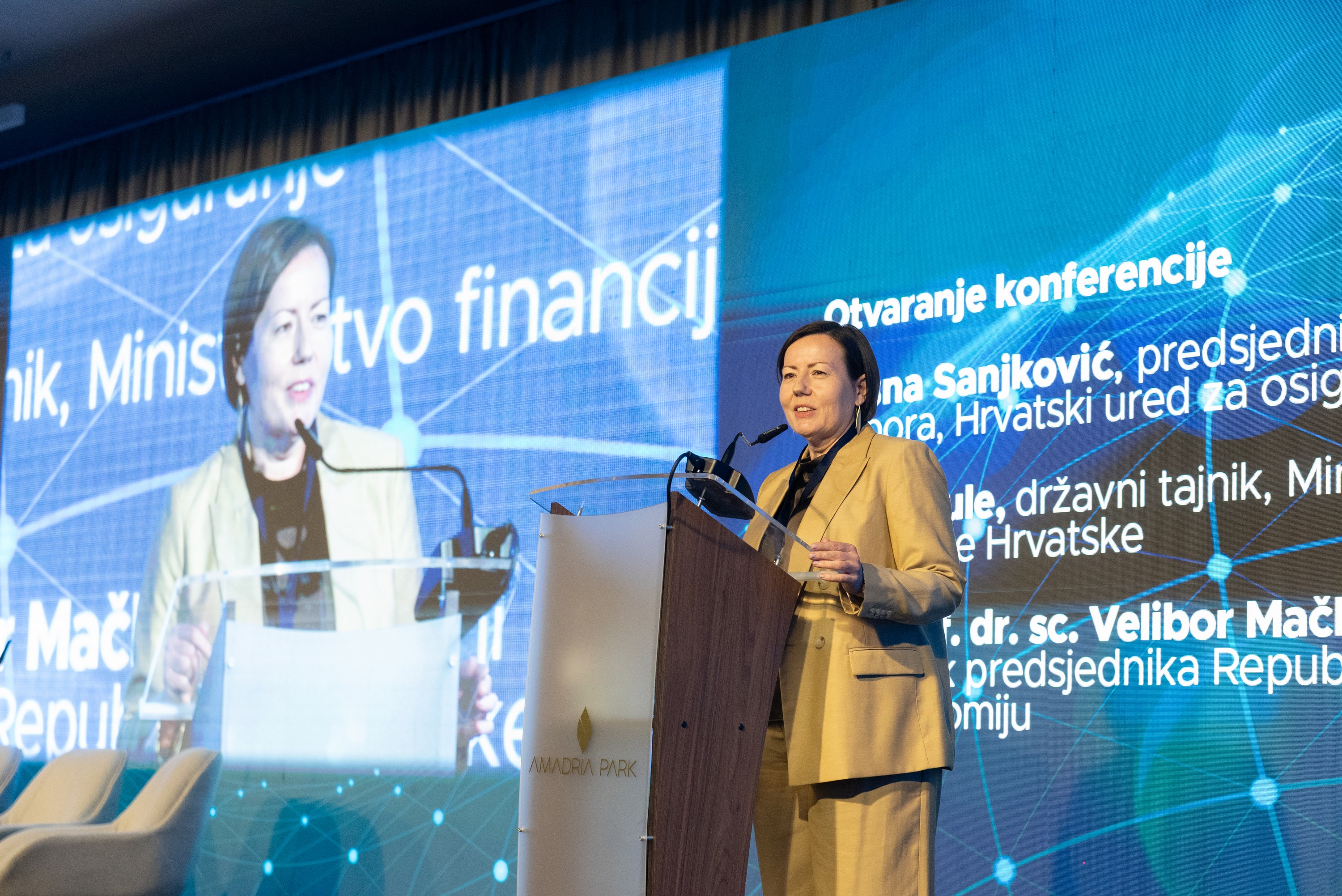
This professional event dedicated to the insurance industry was organised by the Croatian Insurance Bureau (HUO) and its partners, under the high patronage of the President of the Republic of Croatia and the Ministry of Finance. In addition to the host – President of the HUO Management Board and a member of the Management Board of Croatia osiguranje, Vesna Sanjković – the opening remarks were delivered by State Secretary at the Ministry of Finance Matej Bule and Associate Professor Velibor Mačkić, Special Advisor to the President of the Republic for Economics.
Photo: Damir Zamaklar