A. Staničić discusses the Croatian investment account at the Croatian Chamber of Economy round table
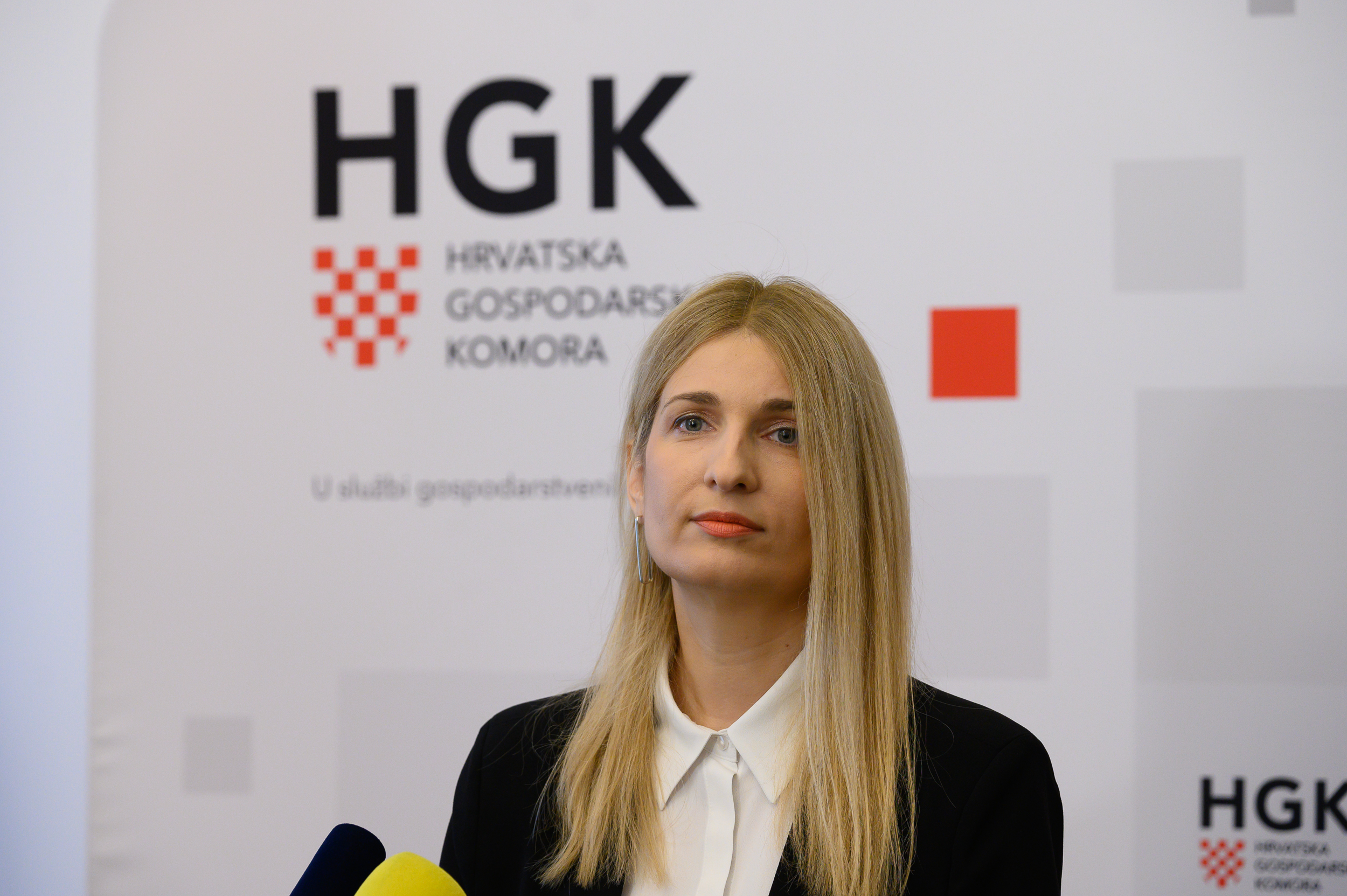
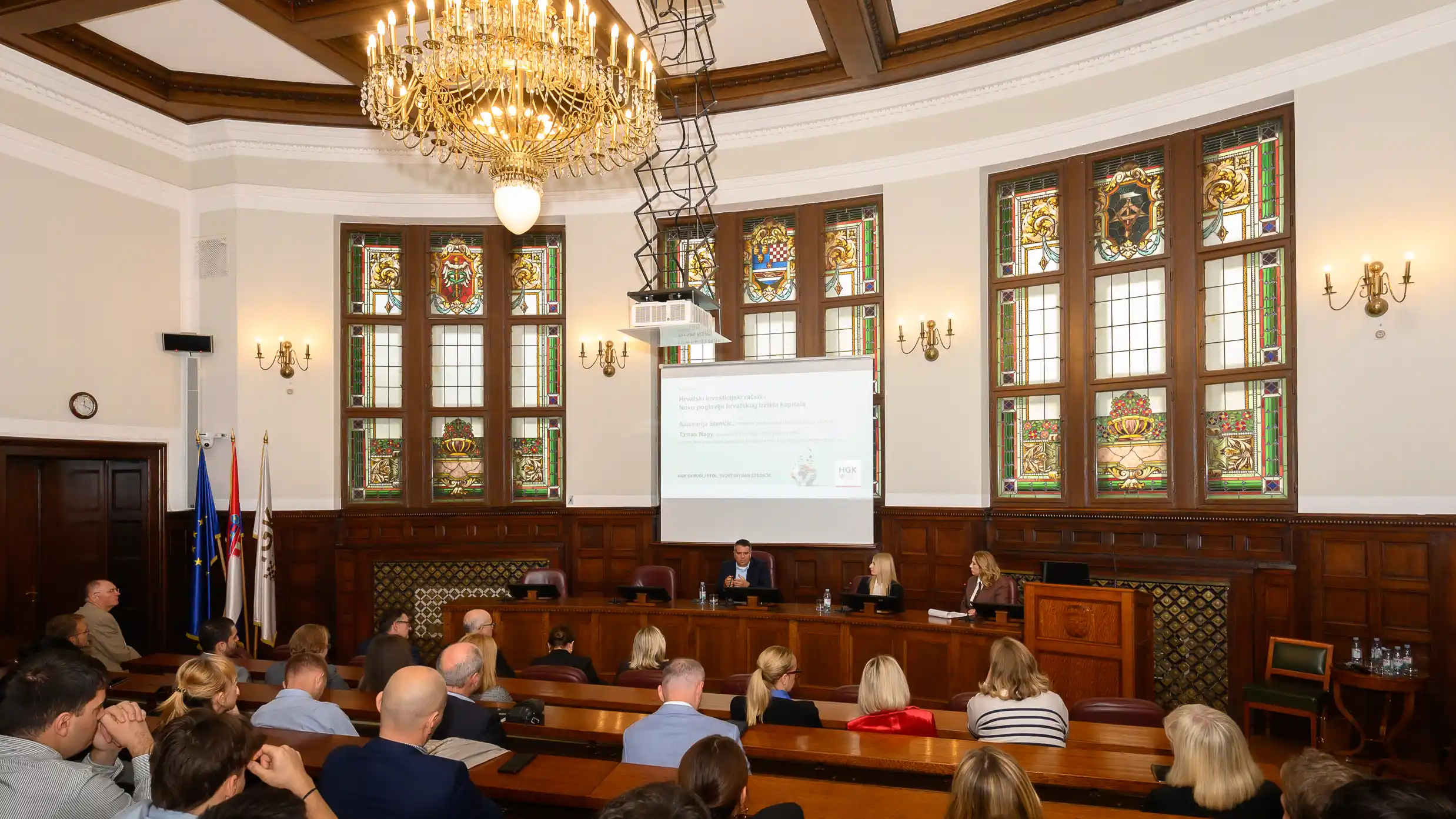
Anamarija Staničić, Deputy President of Hanfa’s Board, participated today in the traditional round table organised by the Croatian Chamber of Economy on the occasion of World Savings Day. Representatives of regulatory institutions and the financial sector exchanged views on trends in household savings and investment, financial literacy, and the prospects for the development of the Croatian capital market.
During the fireside chat entitled “The Croatian investment account: A New Chapter for the Croatian Capital Market”, Staničić spoke about the role of the new investment instrument in encouraging long-term saving and investment among citizens, as well as fostering greater participation in the capital market.
Speaking about the investment culture in Croatia, Staničić stressed: “Government bonds and treasury bills provided many citizens with their first experience of investing. The Croatian investment account offers an opportunity to transform that initial interest into longer-term participation in the capital market. Its purpose is not to encourage short-term trading, but to create a simpler framework for long-term saving and investing and to contribute to the development of an investment culture in Croatia.”
Reflecting on the significant development of the Croatian capital market in recent years, she highlighted the growing interest among citizens in investing, indicating that confidence in the market is gradually being restored. “The Croatian investment account builds on this trend by creating a simpler and more accessible framework for long-term investing. Its success will not be measured solely by the number of accounts opened, but by its ability to encourage citizens to remain active participants in the market throughout different market cycles,” Staničić said.
She concluded by underlining that the Croatian investment account should not be viewed primarily as a tax measure, but rather as a tool for capital market development. By removing some of the administrative and practical barriers that make investing complex, it can encourage long-term investment by citizens. The Croatian investment account has the potential to make investing simpler, more understandable and more accessible, while at the same time strengthening the domestic capital market.
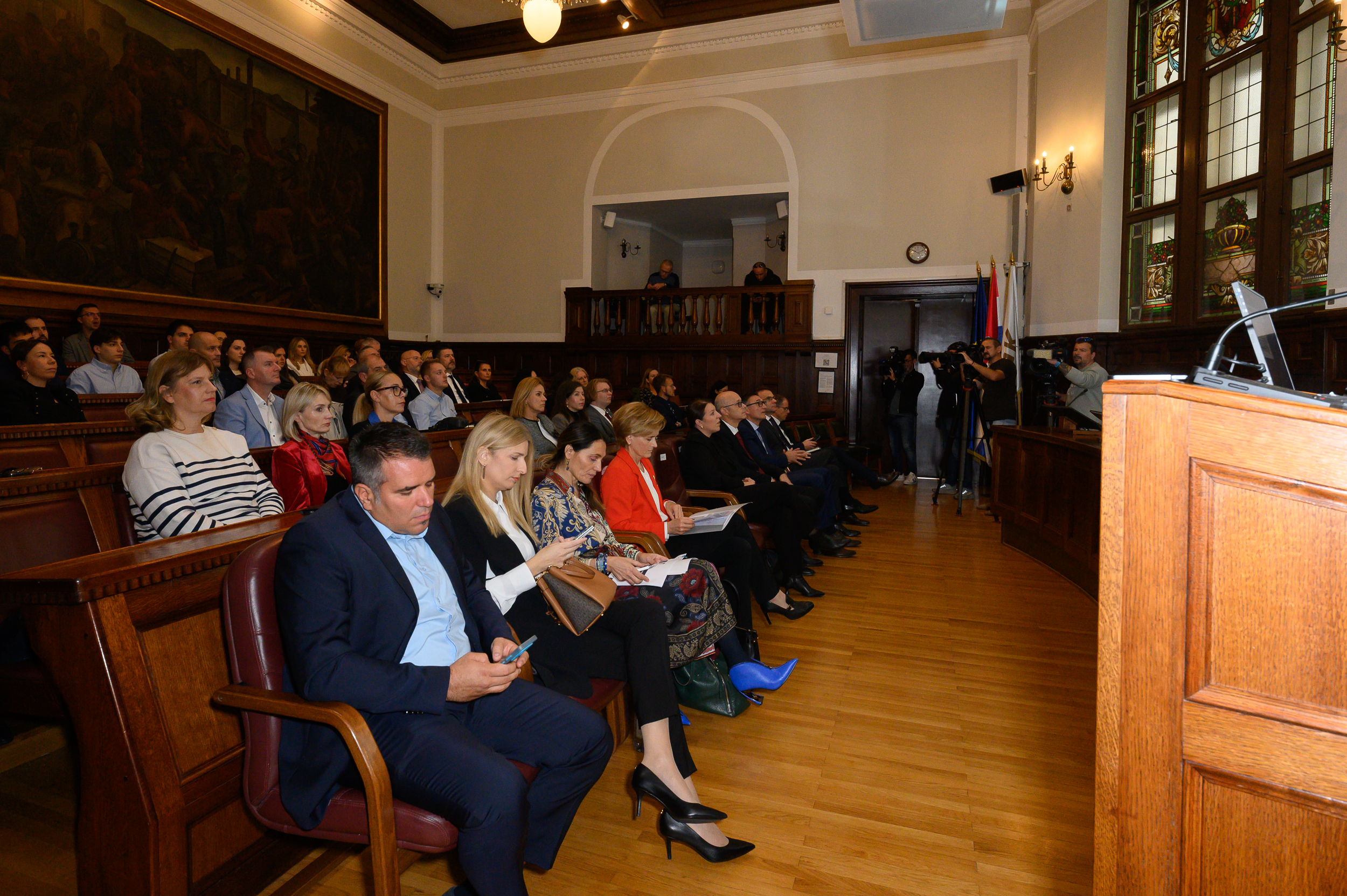
The event was also attended by representatives of the Croatian National Bank, the Ministry of Finance, banks, investment and pension funds, and the insurance sector. Participants noted that citizens’ saving and investment habits are gradually changing, with growing interest in various investment products alongside traditional bank deposits. They also stressed the importance of continued efforts to improve financial literacy, particularly among young people, to enable them to make informed decisions about managing their personal finances and building long-term financial stability.